Montalto Homepage

GARDENS & WETLANDS

Gardens & Wetlands

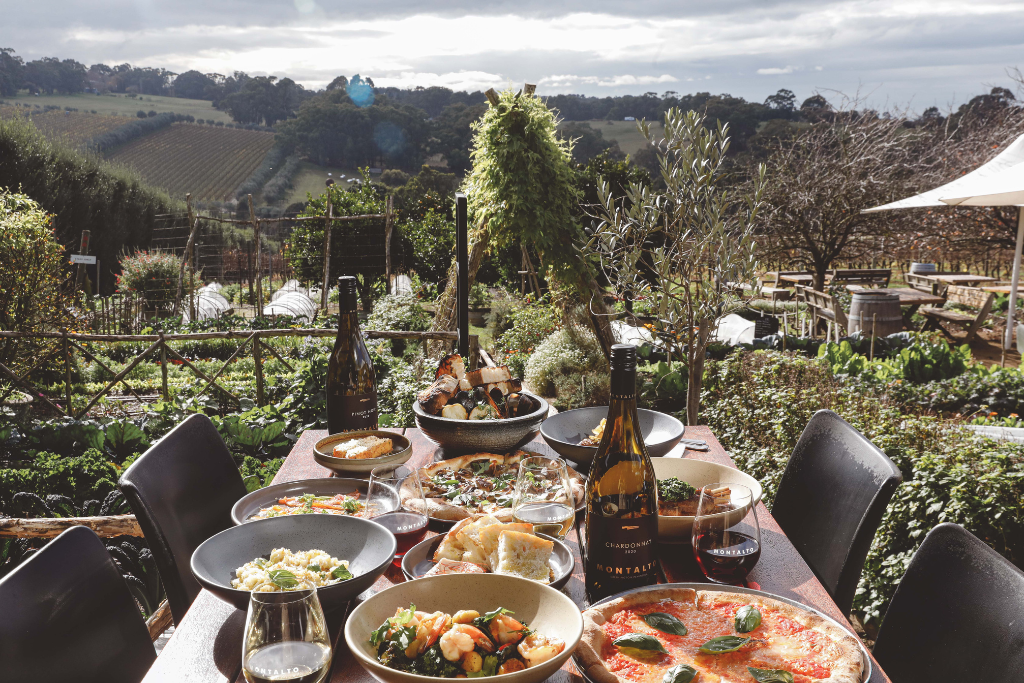
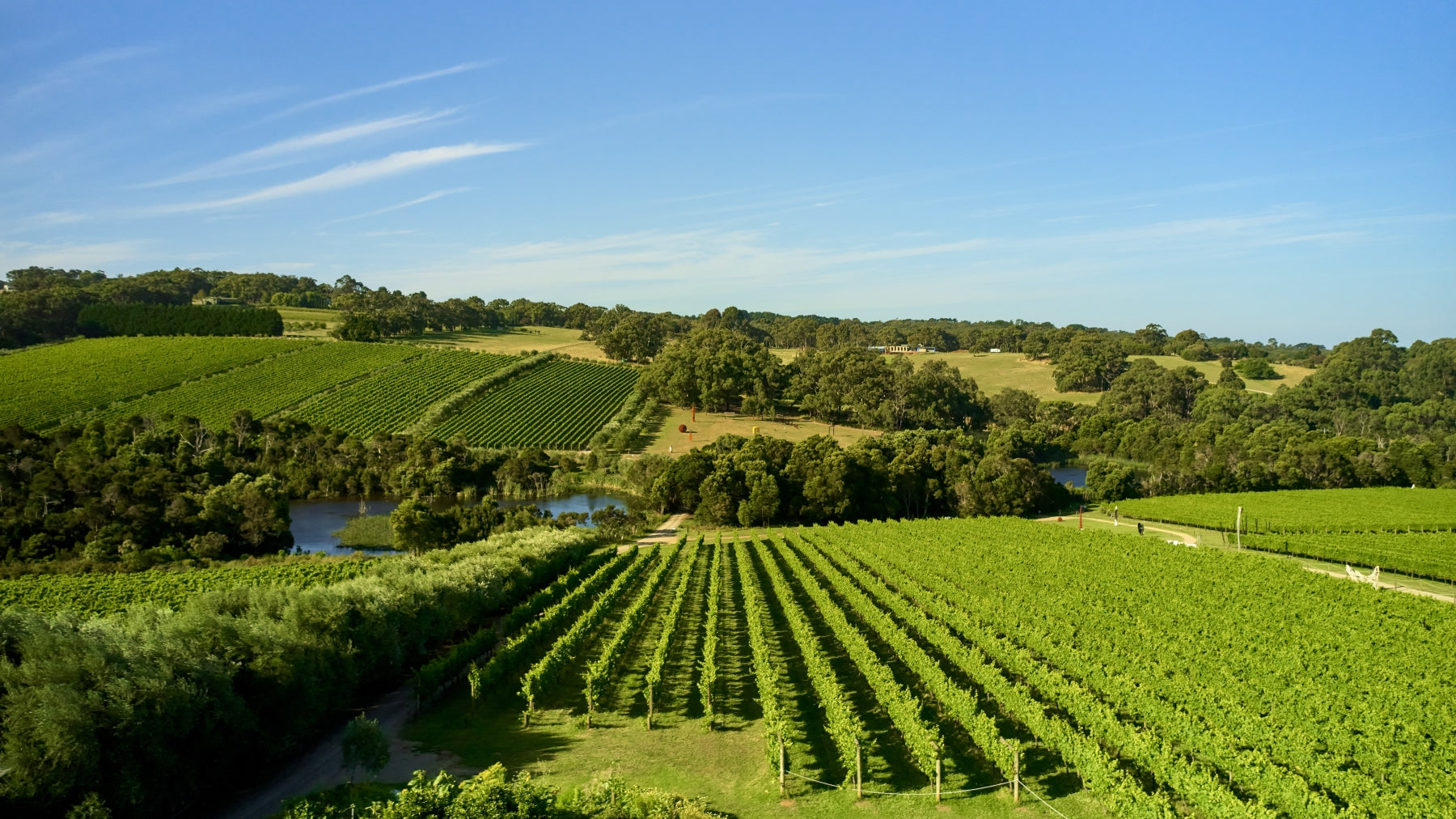
Montalto’s estate to plate philosophy is all about using the land we are blessed to occupy in a sustainable manner, recognising its particular characteristics and sharing its wonderful attributes with others.

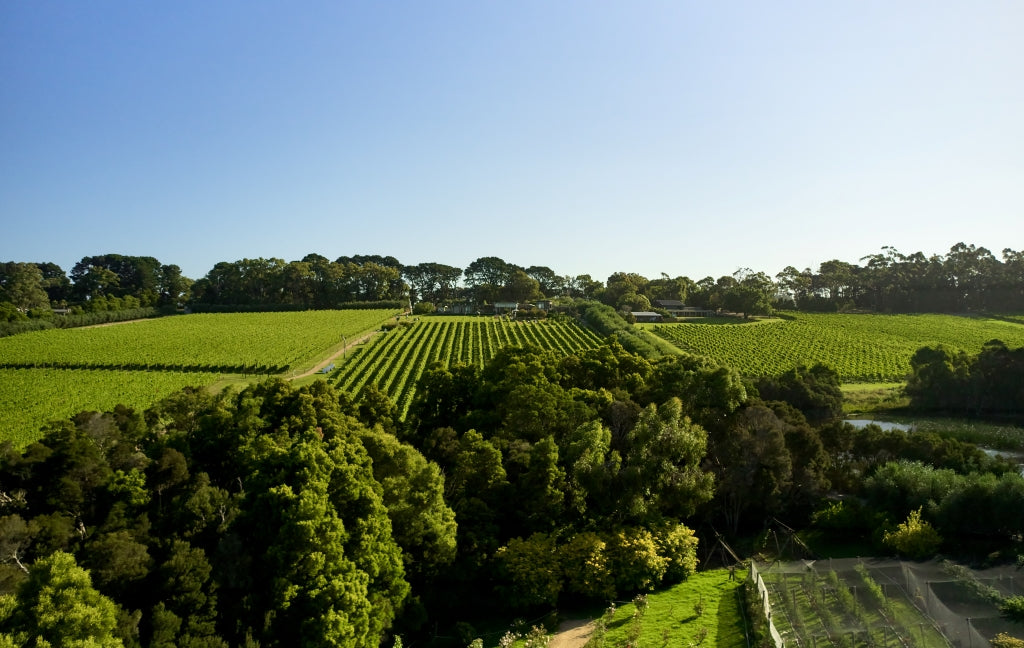
The starting point for this is the wine we produce from our 30 acre vineyard, and olive oil and other olive products from 1500 olive trees. Waste is always minimised, for example fruit that is dropped from the vines to maintain low cropping levels is directed to make Verjuice, an unfermented grape juice used in cooking.

Expansive, lush kitchen gardens are grown on organic principles, using heirloom herb and vegetable varieties. Daily visits from the Montalto kitchen ensure fresh, seasonal produce on the menu. The gardens were established and are maintained by Wendy Mitchell, who can often be found digging away, particularly in the warmer months when the garden is a full time activity.

Seasonal produce grown at Montalto is further enhanced by a fruit and nut grove and berry garden. Figs, stone fruit, almonds, hazelnuts, citrus, strawberries, raspberries, loganberries and more are all available for the restaurant menu.

Four spring fed dams are linked by a stream through the valley floor of the amphitheatre property. Over 90 species of native bird and animal life inhabit the natural wetlands. Rambling blackberries have been cleared to allow existing native plants to thrive. A further program of planting is currently underway to improve the ecology of the waterways and encourage more native wildlife. Boardwalks through the wetlands allow the visitor an opportunity to enjoy this peaceful and natural habitat. The space takes on a different character during the annual sculpture prize as man-made creativity interacts with nature.

The natural environment at Montalto can be enjoyed on the Wetlands Walk, an easy, gentle meander down the slopes that takes in kitchen gardens, vines, olives, wetlands and sculpture. One further way of sharing the beauty and bounty of our land with you.

News from Wendy - Winter 08


The slower growth of the winter garden enables time to attend to maintenance and preparation for the energy of the spring and summer garden. The reorganisation of some areas, moving plants, pruning fruit trees, replacing plants, repotting and replenishing container plants, upgrading supports and generally ‘tidying up’.

A more effective watering system allows the berry garden to be extended and hopefully produce luscious summer fruits. New passionfruit plants are ready to replace the old burnt out vines.

Many people are aware of the world food shortage and although it’s not obvious in our food stores, we are aware of the huge rise in food costs. Perhaps it’s time for us all to be involved in producing at least some of our own food. The drought has made gardening difficult but with recycled water and drip systems we don’t have to rely on restricted hand watering. Even the smallest garden can utilise fences for espaliered fruit trees, vines, snow peas, climbing beans, cucumbers, pumpkins etc. All kinds of vegies can be grown amongst the flower beds. Pots of herbs or vegies can be grown on balconies or decks and moved around according to the weather. They look really decorative using lovely pots or recycled polystyrene boxes. It’s wonderful to eat fresh, delicious organic home grown produce.

The winter garden is producing silver beet, sorrel, horseradish, Jerusalem artichokes, limes, lemons, parsley and other herbs. Stinging nettle is always welcome as a delicious addition to a warming risotto or as a great conditioner for the compost. The late winter garden is planted to provide spinach, cabbage, broccoli, parsnips, carrots, beetroot, lettuces, potatoes, straw peas and broad beans.

A good idea is to share a few packets of seeds with friends – gardeners are usually generous and enjoy sharing their produce and ideas – good gardening!